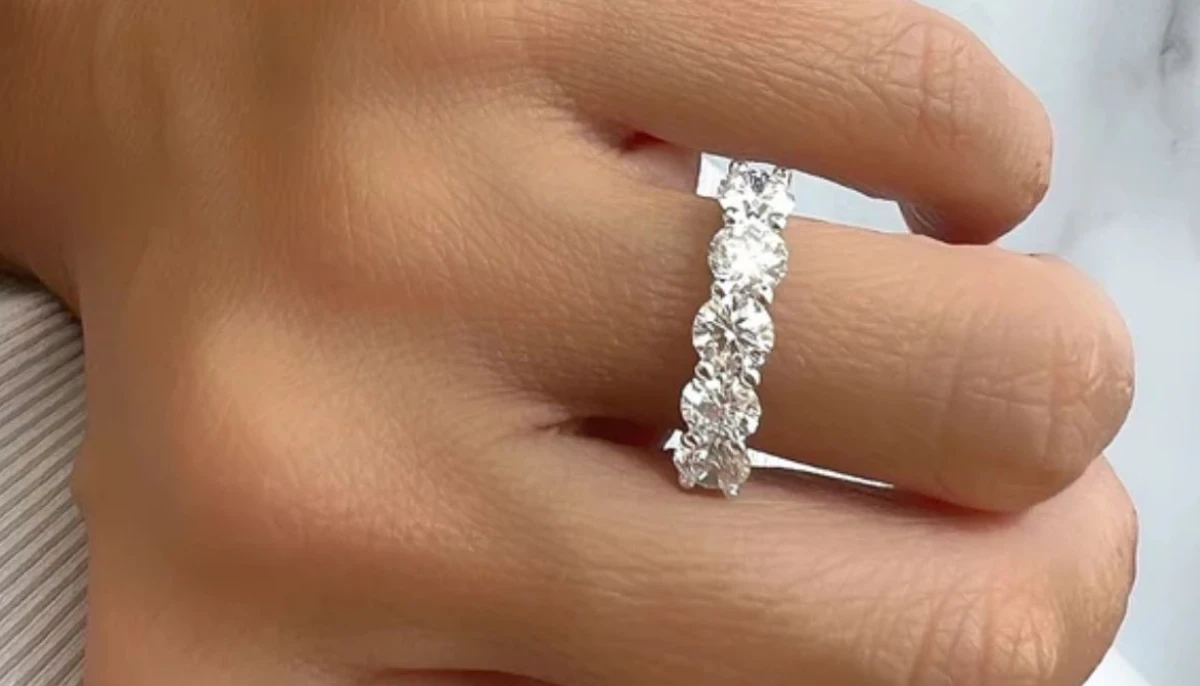
Let’s be honest… buying a diamond can feel like stepping into a confusing maze. Shiny, sparkly, mesmerizing… and expensive. You might be surprised how many people don’t even pause to consider the price difference between a natural diamond and a lab-created one. Yep, the “precio diamante sintético vs natural” debate is real, and it’s not just about money—it’s about values, trends, and sometimes, plain old practicality.
So, how do you even start figuring out what’s worth it? Stick with me. I’ll break it down in a way that makes sense, without feeling like a lecture.
A Little Background: Diamonds, Natural and Otherwise
Diamonds have been around for a long time—literally millions of years. Natural diamonds form deep inside the Earth under crazy pressure and heat. It’s wild if you think about it. Millions of years. Then humans mine them, cut them, polish them, and boom—engagement rings, necklaces, and Instagram posts.
Lab-created diamonds? Totally different story. Scientists basically play God and replicate the exact conditions of nature—but faster. What would take the Earth millions of years, they do in weeks. And yes, they sparkle the same. People sometimes say, “Oh, but is it real?” Technically, yes. Chemically, physically, visually… it’s the same. Just born in a lab, not a volcano.
Now, here’s where it gets juicy. The price. And why “precio diamante sintético vs natural” is such a hot topic. Natural diamonds are rare. Supply can be limited. Plus, mining them is expensive. Lab diamonds? Less rare, less costly to produce. Result: cheaper price tag. Often, we’re talking 30–70% less.
Crazy, right? For the same sparkle? Yes. Let’s dig in deeper.
Options, Trends, and a Little Advice
So, you’re shopping for a diamond. Maybe it’s a ring, maybe just curiosity. Here’s the thing—there’s no one-size-fits-all answer. But let’s break it down:
1. Natural Diamonds: The Classic Choice
Pros: Timeless, traditional, often seen as a symbol of “forever.” Some people are emotional about it. They like the history, the Earth-born vibe.
Cons: Pricey. Can be hard to track ethically (yes, conflict diamonds are still a thing).
Example: You find a 1-carat natural diamond. Depending on cut, clarity, and color, it could easily cost $5,000–$12,000. Ouch. That’s a chunk of cash.
2. Lab-Created Diamonds: The Modern Twist
Pros: Cheaper (sometimes half the price or less), ethical, eco-friendly. Sparkle is identical. Can even get bigger sizes for the same budget.
Cons: Some people still see them as “less romantic” (honestly, that’s just a perception). Resale value isn’t as strong yet.
Example: That same 1-carat diamond, lab-created, might run $2,000–$6,000. Big difference. And honestly, would anyone notice the difference? Not likely.
3. The Trend Angle
Here’s something fun—lab diamonds are trendy. Millennials and Gen Z are all about sustainability. People love them for being “guilt-free bling.” Also, tech fascination plays a role. It’s like buying a diamond and a cool science experiment rolled into one.
Tip: If budget is a big deal, or you’re eyeing a big rock but can’t justify the price, lab diamonds are your best friend. You can get 2 carats for what 1 carat natural might cost. Big win.
Why Local Flavor Matters
If you’re buying diamonds locally, prices can vary a ton. Let’s say you’re in Mexico, Spain, or even small cities in the U.S. Natural diamonds often carry a premium because import costs, taxes, and the “luxury factor” inflate prices. Lab diamonds? Often cheaper locally too, because they don’t need all that mining drama.
Also, local jewelers sometimes have sweet deals or unique collections for lab created diamonds. You might stumble upon a custom piece with a quirky design that a big chain wouldn’t bother with. Honestly, it’s one of those hidden perks.
And here’s a fun observation: in some regions, people still feel like natural diamonds are “the only real choice.” But give it five years, and lab diamonds might dominate. They’re just… catching up fast.
How Lab Diamonds Are Made (In a Nutshell)
Okay, let’s geek out a bit. Here’s how lab-created diamonds come to life. I’ll keep it casual:
Seed Setup: Scientists start with a tiny diamond seed. Think of it like a starter for a cake. Tiny.
Growth Magic: Two main methods—HPHT (high pressure, high temperature) or CVD (chemical vapor deposition). Both replicate nature’s crazy conditions. Heat, pressure, and a lot of science stuff.
Crystal Formation: The seed grows layer by layer into a full diamond. Sometimes it’s weeks, sometimes months. Fast compared to millions of years in the Earth.
Cut & Polish: Just like a natural diamond. Sparkle factor = maxed.
Fun fact: Some lab diamonds can even have colors naturally—yep, fancy blues, yellows, and pinks. And no, that doesn’t cost an arm and a leg like natural fancy-colored diamonds.
Honestly, watching it grow is a little mesmerizing. You almost feel like cheering for science. Go little diamond, grow!
A Few Practical Tips
Always compare apples to apples: same carat, cut, clarity, color. Lab vs natural. Don’t get tricked by marketing.
Ask about certification. GIA, IGI, or HRD certificates matter. They prove it’s real, whatever “real” means for your diamond.
Think long-term: Resale value for natural diamonds is still higher. But lab diamonds are great for personal joy, not just investment.
Don’t stress aesthetics. Unless you’re buying for someone super picky, no one will notice lab vs natural in day-to-day sparkle.
Let’s Wrap It Up
At the end of the day, the “precio diamante sintético vs natural” debate isn’t just about money. It’s personal. Ethical. Trendy. And sometimes, just plain fun. Lab-created diamonds make luxury more accessible, eco-friendly, and playful. Natural diamonds? They carry tradition, romance, and a certain “Earth magic” that some people can’t resist.
So, whether you’re splurging on a natural diamond or going bold with a lab-grown beauty, here’s the takeaway: pick what makes your heart sparkle. And honestly, don’t stress too much about what others think. Your diamond, your rules.
Because let’s face it… at the end of the day, it’s still a diamond. And it’s still fabulous.